

Museums around the world are drawing record numbers of visitors, many of them traveling from other countries to see collections they have read about online or in guidebooks. But showing up and actually understanding what you are looking at are two different things. Language barriers, unclear explanations, and no easy way to ask questions leave a lot of overseas visitors wishing they had gotten more from their visit.
Yingmi Interpretation has been working in the museum interpretation field for 15 years. The company takes the position that a good museum display interpretation system functions less like a megaphone and more like a translator between the objects on display and the people who came to see them. The system needs to handle multiple languages, adapt to different gallery layouts, and hold up under daily use. Here is what that looks like in practice, and how to choose the right system for your institution.
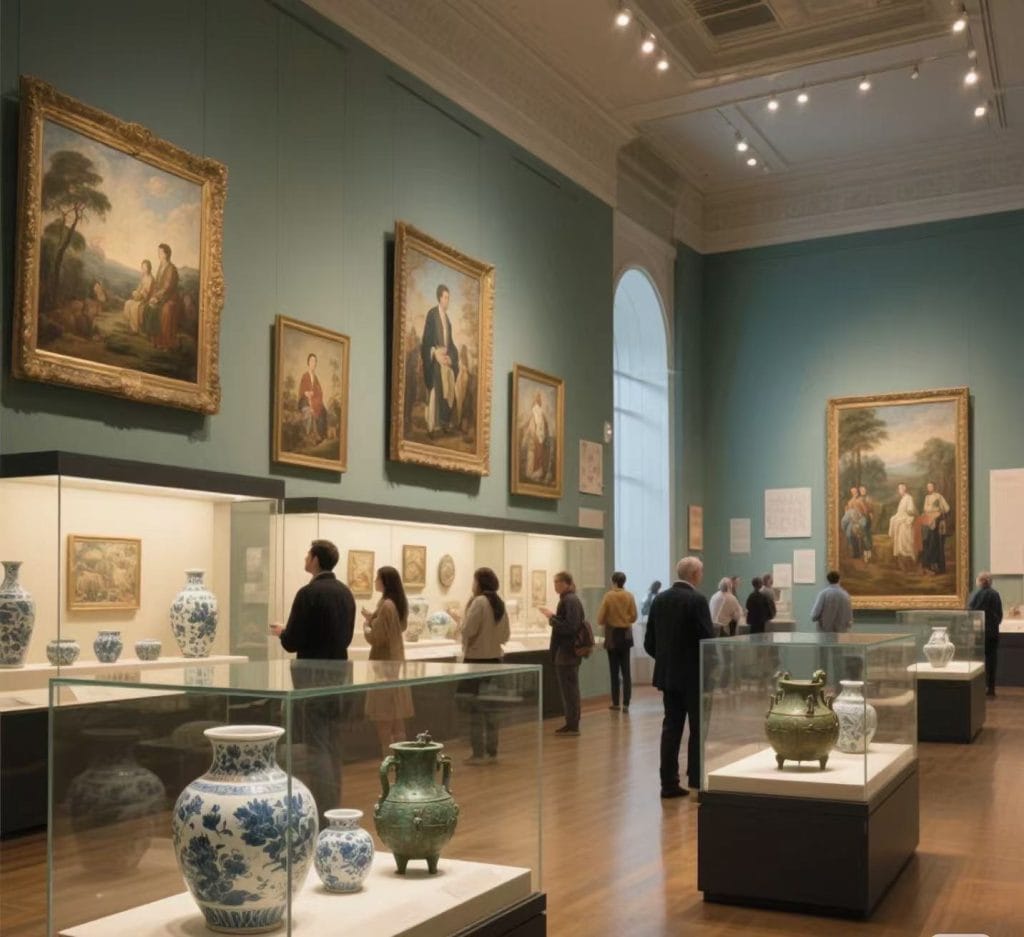
Why a label and a tour guide are not always enough
Language access for international visitors
At the Kungang Museum, the collection includes “giant” skeletal remains, ancient Qiang pottery, and silk artifacts that trace trade between Eastern and Western civilizations. The stories behind these objects are genuinely interesting. Without explanations in languages visitors actually speak, though, the exhibits become a series of things to photograph rather than things to understand.
Yingmi’s museum system supports over 20 languages, covering the main source countries for international tourism. Visitors pick up an audio guide or scan a mini-program, select their language, and hear explanations as they approach each exhibit. One overseas visitor who toured Kungang Museum said he expected to see bones and jars but left understanding how the site had been a center for East-West exchange. That kind of response is what a well-designed interpretation system delivers.
Adapting to different gallery layouts
Museums come in all shapes. Some have a single large hall; others spread across multiple smaller galleries, each with its own theme. Kungang Museum is divided into three sections: “Desert Wonders, Giant Tribes,” “Thousand-Year Kungang, Ancient Qiang Ethnic Traces,” and “The Vast Sea of the Western Regions, Treasures from Kungang.” Yingmi provided a zoned interpretation system that automatically switches content as visitors move between galleries. No manual button presses, no need to follow a guide.
For group tours, the group tour guide system lets the guide speak at a normal volume while visitors hear through headphones. A European tour guide who brought a group to Kungang Museum noted that the visitors at the back of the group used to shout that they could not hear. With the system, everyone listens quietly and can examine exhibit details at their own pace.
Understanding visitor behavior through data
Many museums have limited visibility into which exhibits resonate with overseas visitors and which ones do not. The interpretation system tracks which exhibits get the most plays, which languages are used most often, and how long visitors stay in each gallery. At Kungang Museum, the data showed that overseas visitors listened to silk-related explanations 30% more often than other content. The museum responded by adding interactive screens beside the silk exhibits and launching related cultural products, both of which were well received.
Choosing a system that actually fits your museum
Museums sometimes buy systems based on feature lists and then find that the equipment does not work well in their specific space. Three practical considerations matter more than specifications on a datasheet.
Match the system to your gallery layout
For museums divided into multiple themed galleries like Kungang, a zonal interpretation system that triggers automatically based on location works well. For large open-plan spaces such as many art museums, a UHF-band team interpretation system with long transmission distance and strong anti-interference capability is more appropriate. One overseas museum with a long, narrow corridor exhibition hall initially bought a mismatched system that lost signal at the far end. Switching to Yingmi’s zonal system with multiple positioning points solved the problem entirely. Before purchasing anything, map out your gallery dimensions, zones, and exhibit placement and share that information with the vendor.
Language quality and ease of use
The number of supported languages matters, but so does the quality of the recordings. Yingmi uses professional native-speaker announcers for each language. English is recorded by native speakers, Japanese and Korean by local professionals, and so on. The pronunciation and word choice feel natural, which keeps visitors listening.
The operation itself should be simple. The audio guide has a few buttons: power, language, volume. Visitors can start using it without reading a manual. The mini-program option works inside WeChat with no separate app to download, which is convenient for older visitors. One overseas tourist said he expected the system to be complicated but found that once he selected his language, he could just walk and listen.
Durability and battery life for daily use
Museum interpretation equipment gets handled by dozens or hundreds of people every day. Yingmi builds the housings from anti-drop ABS material. Headphone cables are thickened for repeated plugging and unplugging. The charging port uses the widely available Type-C standard, so a lost cable can be replaced locally.
Battery life needs to cover a full operating day. Museums typically stay open 8 to 12 hours. Yingmi’s audio guides run for over 10 hours on a charge. A centralized charging cabinet handles 30 devices at once, with visible battery-level indicators and overcharge protection. Kungang Museum, which receives high daily visitor numbers, has not experienced a single instance of equipment downtime due to battery failure.
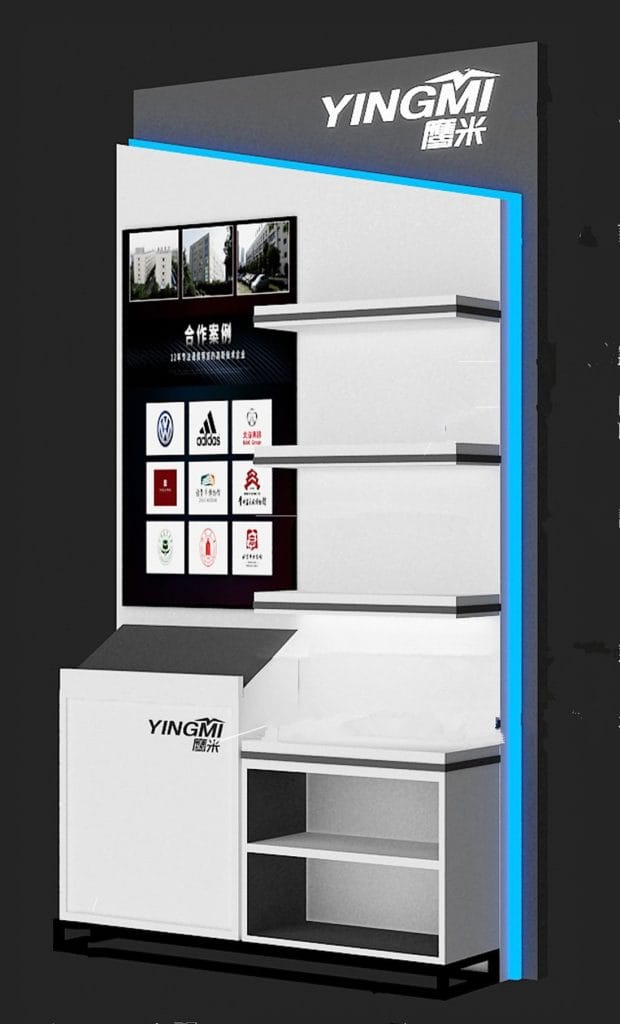
What Yingmi brings to museum projects
The company has served institutions including the National Museum of Chinese Nationalities, the Palace Museum, and overseas museums over 15 years. The focus is on solving specific problems rather than adding features for their own sake.
Accurate positioning
Some interpretation systems trigger audio too early or too late relative to the exhibit, which frustrates visitors. Yingmi uses infrared positioning in indoor galleries where GPS is unreliable, and the Beidou Navigation Satellite System in outdoor areas, with accuracy within one meter. At Kungang Museum, positioning points beside the “giant” remains display case trigger the explanation when a visitor is about one meter away, which feels natural and well-timed.
Sound quality in noisy conditions
When galleries are crowded, environmental noise can make audio explanations hard to follow. Yingmi’s system includes a professional noise reduction module that filters out footsteps and conversation, leaving the commentary clearly audible. A visitor with hearing difficulties reported that the audio guide was clearer than expected, allowing him to hear small details like the fact that patterns on a pottery piece were hand-carved.
Interactive features
The Z1 display and interpretation system supports touch, voice, and AR/VR interaction. At Kungang Museum, visitors can touch a screen on a display case to watch a video of the pottery-making process. Scanning with AR shows how the pottery was used in daily life. A student visitor who tried the AR features said it made the museum feel like a conversation with people from the past rather than a quiet walk through glass cases.
Common problems and how to fix them
Signal dropout or crosstalk between groups. When multiple teams use the system simultaneously, audio from one group can bleed into another. The fix is usually to turn off unused channels and keep only the active ones. If a specific area has weak coverage, adding a repeater extends the signal. Yingmi resolved a persistent signal loss problem in one museum’s basement gallery by installing a single repeater at the entrance.
Language switching does not work or audio quality is poor. First check whether the language pack has been fully downloaded. For mini-program users, a poor network connection can prevent the download from completing. For hardware-based audio guides, the language pack may not be installed correctly. Yingmi supports remote language-pack updates, so museums can add or refresh languages without sending equipment to a service center. One overseas museum needed Portuguese added; Yingmi updated the pack remotely, and it was available the same day.
Getting started
Every object in a museum has a story. The interpretation system is how that story reaches people who stand in front of the display case wanting to understand what they are seeing. Yingmi has spent 15 years building systems that make that connection work reliably across languages, gallery layouts, and daily wear. If your museum needs to solve language access issues, improve the visitor experience, or figure out which interpretation system fits your space, the team is available to walk through the options.