

In the century-old art museum in Florence, Italy, they suffered a huge loss when purchasing wireless audio guides. To meet the needs of tourists from all over the world, they ordered a batch of equipment through an intermediary. However, the price they paid was more than 35% higher than that of the original manufacturer directly. Later, they wanted to add Portuguese and Arabic audio guides, but the intermediary said, “We need to communicate with the manufacturer to arrange the schedule.” This arrangement was delayed for two months, which directly missed the peak tourist season. Even worse, problems occurred with the sensing modules of more than 10 devices, and when they sought feedback from the intermediary, the response from the other party was passed through multiple levels, and it took half a month to receive the manufacturer’s reply. During that time, the complaint rate of tourists kept rising. Only after contacting the original manufacturer, Yingmi, did they get a reasonable price. They customized three rare languages in 10 days, and the problems with the equipment were directly addressed with the manufacturer’s after-sales service, and the spare parts were replaced within 3 days. The reception efficiency was immediately improved. For the museum, choosing the right original manufacturer for wireless audio guides not only saves costs but also avoids many unnecessary detours.
I.Choosing museum audio guides: Beware of the traps set by these middlemen
1.Multiple price hikes, resulting in unnecessary additional costs
Many museums purchase equipment through middlemen. The devices pass through several hands as they go from the agents to the distributors. Each layer has to make a profit margin, and by the time it reaches the museum, the price is 20%-40% higher than that of the original manufacturer’s direct supply. Especially when purchasing dozens or hundreds of units in bulk, the price difference can be several tens of thousands of yuan, significantly increasing the museum’s operating costs. These extra expenses often have to be compensated by raising ticket prices or cutting back on other services.
2.Slow customization response, unable to keep up with demand
The demands for museum audio guides vary greatly. Some want to add minority languages, some want to incorporate exclusive exhibition-related audio explanations, and some want to print the museum’s logo on the device. However, the middlemen lack production capabilities and can only relay the demands to the manufacturers. This process involves high communication costs and extremely slow responses. What was supposed to be completed in 10 days can be delayed to one or two months, completely unable to meet the demands during peak tourist seasons or special exhibitions.
3.Disconnected after-sales service, making problem-solving extremely difficult
If there is a problem with the equipment, reporting it to the middleman usually means the person on the other end doesn’t understand the technology and can only relay the information briefly. This not only makes it impossible to quickly identify the root cause of the problem but also may cause delays in repairs due to communication errors. What’s more troublesome is that the middlemen do not have spare parts inventory. Replacing an induction module or charging cable requires cross-border transportation, which can take anywhere from half a month to a month. The equipment can only be left idle, seriously affecting the visitor experience.
4.Unstable quality, batch differences causing headaches
Some middlemen aim to reduce costs by mixing different batches or even different manufacturers’ equipment, resulting in inconsistent equipment quality. For example, the same batch of audio guides purchased may have stable signals in some cases and may frequently lose connection in others; some can last for 8 hours of battery life, while others run out of power after 4 hours. This causes significant troubles for the museum’s daily management.

II.Museum-exclusive: i7 Wireless Audio Guide Device
As a source manufacturer with 18 years of experience in the audio guide industry, Yingmi has specially designed the i7 wireless tour guide device for museum scenarios. Not only does it perfectly meet the core needs of museums, but it also leverages the advantages of the source manufacturer to solve a series of problems brought about by the middlemen.
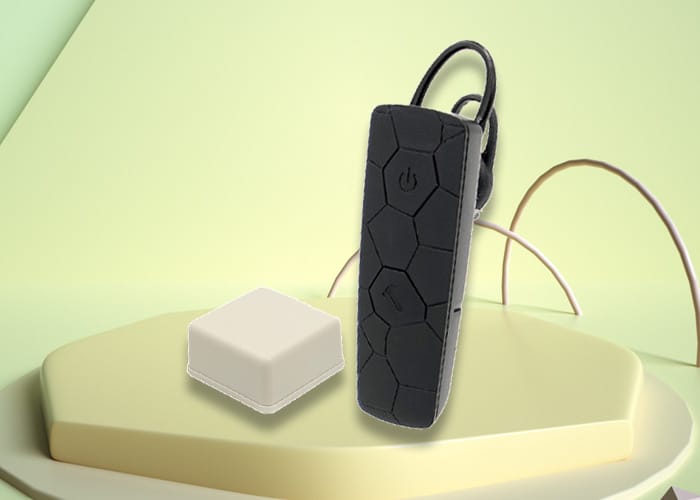
The performance of i7 is like it was tailor-made for museums: it uses the RFID-2.4G non-interfering star distribution system. When a visitor wears it and approaches the exhibit within about 1 meter, they can automatically sense and play the corresponding audio guide content without manual operation. Whether it’s the elderly or children, they can easily use it. It comes with 8 languages as standard, and if the museum has any requirements, the source manufacturer can quickly customize and add minority languages. From communication to launch, it can be completed in the shortest 10 days, without the need for long waiting periods.
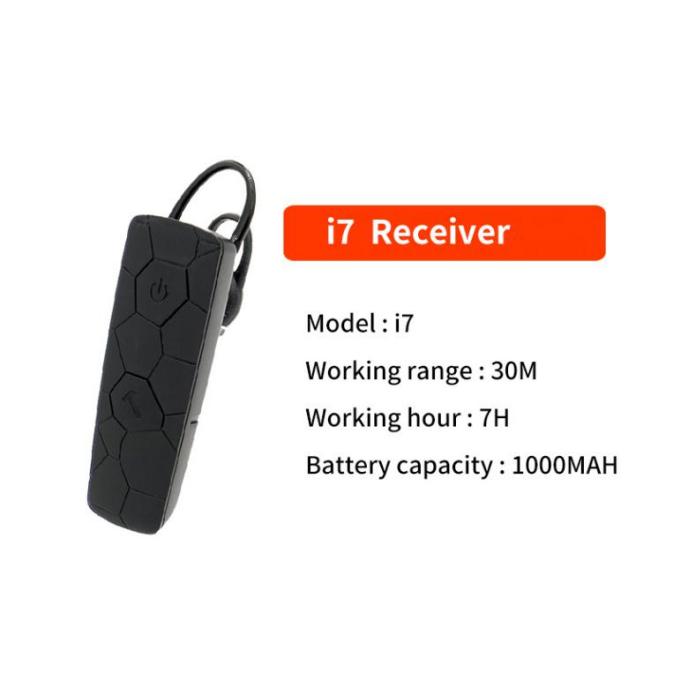
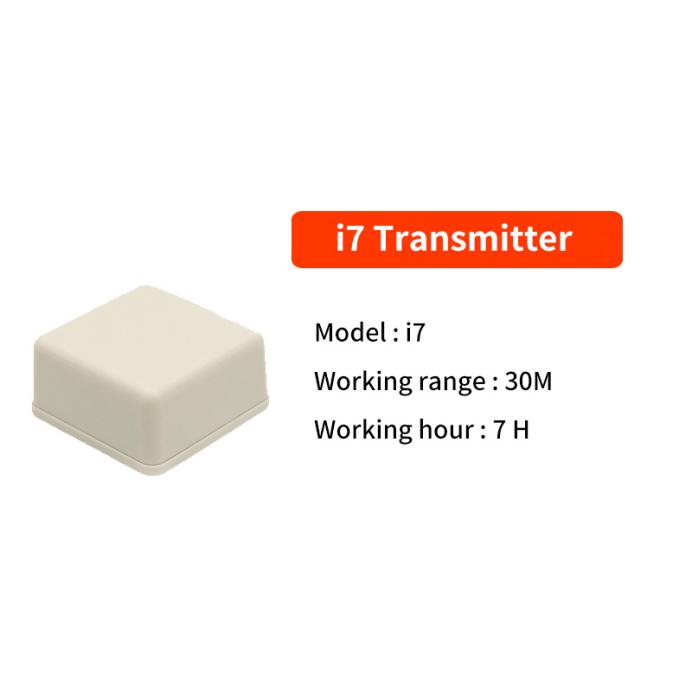
The ergonomic design of the headband is lightweight and comfortable to wear, so visitors won’t feel ear pain throughout the entire visit. It also solves the problem of hygiene. More importantly, as a direct supply from the source manufacturer, the quality of i7 is fully controllable – from chip selection to PCBA board independent production, to final product testing, 4 automated SMT production lines strictly control each step, and each device undergoes strict testing. There will be no large batch differences or unstable signals, and it can withstand 8-hour reception throughout the day.
In addition, only the source manufacturer can provide the accompanying services for i7: for example, a professional team will conduct on-site surveys and optimize the positioning of sensing points based on the museum’s exhibition layout to avoid signal interference; if the museum wants to print the museum’s logo or incorporate exclusive audio explanations, they can directly connect with the manufacturer’s design team, and it can be implemented quickly. The replenishment of accessories does not need to go through middlemen. They are shipped directly from nearby warehouses worldwide, and can be delivered within 3-5 days. There is no need to wait for the long and cumbersome cross-border transportation anymore.
Comparison: Middleman vs. Original Manufacturer
| Aspect | Purchasing via Middleman | Direct from Manufacturer (Yingmi) |
| Price | 20%-40% higher due to multiple intermediaries | Cost-effective, no middle margins |
| Customization Speed | Slow; communication delays, can take 1–2 months | Fast; as little as 10 days for language/content updates |
| After-sales Support | Indirect, delayed response; parts replenishment takes weeks | Direct, 24/7 remote tech support; parts in 3–5 days |
| Quality Control | Unstable; possible batch or manufacturer mixing | Fully controlled production; consistent and tested quality |
| Compliance & Certification | May not be clearly certified for global use | CE, RoHS, ISO9001/4001 certified; globally compliant |
| On-site Service | Usually not available | Professional surveys, signal optimization, layout support |
III. Three core guarantees provided by Yingmi for museums
1.Independent production, with controllable costs and quality
Since its establishment in 2007, Yingmi has been dedicated to the research and production of audio guides for 18 years. It has its own SMT soldering factory and the core components PCBA boards are all independently produced. The entire chain from research, production to sales and after-sales is controlled by itself. There are no middlemen to make a profit margin, which can provide museums with more cost-effective prices. At the same time, with 4 automated production lines and strict quality inspection processes, the quality of each device is stable and there will be no problems such as mixed models or large batch differences.
2.Quick customization, precise adaptation to museum needs
As a source manufacturer, Yingmi has a professional R&D and design team that can directly connect with the museum’s customization requirements. Whether it’s adding new languages, embedding exclusive audio guide content, or customizing the appearance of the equipment or printing logos, it can respond quickly without going through layers of communication and detours. For example, if the museum needs to add 3 rare language audio guides for a special exhibition, the manufacturer can complete audio recording, system debugging within 10 days, and there will be no delay in the exhibition opening.
3.Global compliance + direct after-sales service, no worries about cross-border use
Yingmi’s products and accessories have passed EU CE, RoHS environmental protection certifications, as well as ISO9001, 4001 three certifications, meeting the usage standards of multiple countries and regions worldwide. Museums’ cross-border purchases will not worry about compliance issues. Moreover, the manufacturer has service points and accessory warehouses in major regions such as Europe, the Middle East, and Southeast Asia. If there is a problem with the equipment, you can directly contact the manufacturer’s after-sales service. There is 24-hour remote technical support, and local staff can also handle complex problems. Accessories can be replenished in 3-5 days, which is much faster than through middlemen for resale.
For museums, choosing a wireless audio guide and finding the right source manufacturer is half the battle. Yingmi’s 18 years of industry accumulation, cost and quality advantages brought by independent production, quick customization adaptability, and the precise fit of i7 wireless audio guide machines for museum scenarios are indeed reliable choices. If you are purchasing wireless audio guides for museums and want to avoid the pitfalls of middlemen, you might as well learn more about Yingmi’s direct supply solution – the professional team can provide exclusive quotations and adaptation plans based on the museum’s exhibition size, reception volume, and customization requirements, and also support free sample testing, allowing you to experience the quality and service of the source manufacturer firsthand.
Frequently Asked Questions (FAQ)
1.Why is buying through a middleman more expensive?
When purchasing through intermediaries or distributors, the equipment passes through multiple layers, each adding its own profit margin. This can result in prices 20%-40% higher than dealing directly with the original manufacturer.
2.Can you add less common languages to the audio guide?
Yes. As the original manufacturer, we can quickly customize and add rare or minority languages. The process from request to implementation can be completed in as little as 10 days, avoiding long delays.
3.What if there is a problem with the equipment after purchase?
Direct after-sales support is available. In case of issues, you can contact our technical team directly. We provide remote support and can ship replacement parts from nearby global warehouses, often within 3–5 days, minimizing downtime.
4.How is the audio guide activated during a tour?
The i7 wireless guide uses an RFID-2.4G non-interfering star distribution system. It automatically plays corresponding content when visitors approach an exhibit within about 1 meter, with no manual operation required.
5.Is the audio guide comfortable for long use?
Yes. The i7 is designed with an ergonomic, lightweight headband that ensures comfort throughout extended use, making it suitable for visitors of all ages.