

As a vital component of modern-day museum services, the museum team interpretation system is undergoing an extraordinary transformation. With the advancement of modern technology and the diversification of audience needs, this system has progressed from a basic audio guide tool into an integrated solution platform that combines intelligence, interactivity, and personalization. It not only boosts the visitor experience but also brings new chances for museum management and operations.
Introduction: The Relevance and Development Trends of Museum interpretation Systems
Museums, as crucial establishments for cultural heritage and education and learning, depend heavily on interpretation systems to facilitate information transmission and site visitor interaction. Traditional interpretation approaches often depend on human overviews or standard audio devices. However, with the quick development of digital and smart technologies, museum team interpretation systems are advancing toward greater performance, ease, and personalization. This trend shows not only the driving pressure of technical progression but also the museum’s aggressive adjustment to modern-day target market expectations.
Limitations of Traditional interpretation Approaches
Traditional interpretation generally consists of two major formats: human guides and taken care of audio excursions. While real-time guides can supply vibrant descriptions and real-time interaction, their schedule is restricted by workers numbers and professional competence– making it challenging to meet the needs of huge site visitor teams, especially throughout peak periods. Moreover, inconsistency in discussion and shipment between guides often leads to uneven info quality.
Dealt with audio excursions, on the other hand, do not have versatility and interactivity. Visitors should follow a predetermined course and story, with little liberty to explore according to their passions. This one-way info distribution falls short to promote inquisitiveness and interaction, especially among more youthful target markets. In addition, preserving audio devices sustains substantial expense and technical difficulties, commonly affecting the individual experience.
The Driving Force of Digitization and Intelligent Technologies
The application of digital and intelligent technologies has actually transformed museum interpretation systems. By incorporating mobile web, artificial intelligence (AI), and the Internet of Things (IoT), these systems can currently provide more specific and customized solutions. For example, location-based audio guides instantly play appropriate content as visitors approach displays– eliminating the demand for manual procedure. This seamless experience substantially enhances comfort and flow during gos to.
Intelligent modern technologies also enable systems to learn and adapt. By evaluating site visitor habits and responses, they continuously maximize content and suggestions. For instance, child-friendly variations may include lively language and interactive components, while scientists might access more comprehensive academic materials. This personalization improves engagement and improves the museum’s instructional effect.
Advantages of Modern Team interpretation Systems
Modern team interpretation systems incorporate numerous innovations to achieve unrivaled advantages over typical approaches. They sustain integrated narration for huge groups without relying upon several guides, transmitting real-time descriptions by means of cordless networks per site visitor’s device. This centralized method makes certain consistency, decreases labor expenses, and boosts operational performance.
In addition, contemporary systems stress interactivity. By embedding functions such as tests, polls, and virtual reality (VR), visitors can proactively participate in the narration procedure. For example, throughout a historical description, site visitors could take part in substitute role-playing to deepen their understanding– turning passive listening into immersive knowing.
Key Components of Museum Team interpretation Systems
A modern museum interpretation system is a facility, incorporated platform dependent on the synergy of various parts– from hardware and software to material style and data analytics. Only via smooth assimilation of these components can museums supply smart systems that please site visitor requirements and enhance management efficiency.
Core Hardware
Hardware serves as the structure of the system. Traditional configurations used transmitters, receivers, and headsets, but contemporary systems prioritize portability and adaptability. Smart portable terminals or mobile applications now change older tools, equipped with integrated sensing units and communication modules. These enable not just sound playback but additionally the screen of photos, video clips, and 3D models– supplying a multisensory experience.
Long life and battery life are additionally critical, given high daily use. Wireless charging and low-power style expand operational time and reduce maintenance. Some systems also incorporate wearable tools such as smart glasses or wristbands to boost comfort and engagement.
Content Management Platform
The material monitoring system is the “brain” of the system, in charge of storing, organizing, and updating interpretation materials. An efficient system includes an user-friendly interface and durable editing and enhancing devices, allowing personnel to easily post and change multimedia web content. It must likewise sustain multilingual versions to suit global site visitors.
Beyond fundamental management, contemporary systems include intelligent referral and adaptive shipment features. By assessing site visitor habits and dwell time, they can dynamically push relevant web content– enhancing both engagement and fulfillment.
Interactive Interface Design
The design of user interfaces straight affects simplicity of usage and site visitor experience. Excellent interfaces are instinctive and simple, utilizing aesthetic symbols and voice motivates to streamline navigating. They should also suit varied age and cultural histories.
Just as important is responsive comments– such as vibration or audio cues confirming user actions– to produce an extra immersive and satisfying experience.
Speech Recognition and Natural Language Processing (NLP)
Speech recognition and NLP are core modern technologies that make it possible for hands-free, conversational interaction. Visitors can ask concerns like “When was this artifact made?” and get instant responses. The system can even interpret contextual definition, making interactions much more natural and intelligent. Real-time translation via NLP additionally allows foreign site visitors to delight in barrier-free access to museum info.
Backend Management and Data Analytics
The backend acts as the system’s functional center, managing tools monitoring, gain access to control, and updates. Data analytics, on the other hand, transforms site visitor behavior into actionable insights. Museums can track display appeal, site visitor flow, and communication patterns– educating layout renovations and future curation approaches.
A data-driven approach improves effectiveness, optimizes site visitor experience, and supports evidence-based decision-making.
Design and Development Principles
Reliable museum interpretation systems should stick to essential concepts of use, reliability, and scalability– covering both technological and content-related dimensions.
User Experience First
User experience should guide every layout decision. The user interface has to be instinctive, calling for very little setup. Multiple communication alternatives (touch, voice, gestures) suit different customers. Psychological style– such as narration and circumstance simulation– can stimulate inquisitiveness and grow understanding.
Content Diversity and Interactivity
Web content needs to surpass basic narrative, incorporating multimedia styles like message, video, animation, and 3D visualization. Interactive attributes such as tests and video games even more encourage engagement– changing visitors from passive audiences right into active learners.
System Stability and Security
High stability is essential for atmospheres with hefty site visitor web traffic. Systems must go through strenuous screening and consist of backup and healing systems. Data personal privacy and web content precision need to also be guarded through security and access control.
Scalability and Compatibility
A modular style makes sure very easy updates and combination with arising innovations (e.g., 5G, AR). Compatibility across tools and operating systems (iOS, Android) makes sure wide access.
Localization and Personalization
Localization dressmakers systems to cultural and etymological contexts, while customization evaluates site visitor data to suggest appropriate displays or experiences– boosting both satisfaction and academic effect.
Implementation Strategy and Workflow
Successful release calls for a structured method, from first research to recurring optimization.
Needs Assessment & System Design: Identify demands via stakeholder interviews and usefulness evaluation.
Content Preparation & Multimedia Production: Ensure academic accuracy and interesting discussion.
System Integration & Testing: Conduct practical, performance, and user experience examinations.
Training & Operations: Equip staff with system understanding and troubleshooting skills.
Maintenance & Continuous Optimization: Use data-driven understandings for continuous improvements.
Case Studies
1.Domestic Example: The Palace Museum (Beijing)
The Royal residence Museum’s system incorporates AR modern technology, recreating historic ceremonies such as those in the Hall of Supreme Harmony– supplying visitors an immersive experience that revitalizes cultural heritage.
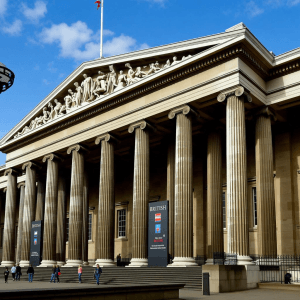
2.International Example: The British Museum
Its system emphasizes personalization and interactivity, analyzing site visitor rate of interests to supply customized routes and multilingual real-time translation, setting a worldwide benchmark.
Challenges and Solutions
Key challenges consist of fast technical advancement and web content monitoring. Modular layout and cloud-based systems address the initial concern by enabling very easy upgrades. Collaborative material creation including scholars and the public ensures diversity and timeliness.
Deep Integration of Artificial Intelligence
AI allows emotion-aware narrative, flexible knowing, and automated material generation, improving both customization and performance.
Virtual & Augmented Reality Integration
VR offers totally immersive historic reconstructions, while AR enhances real-world displays with electronic overlays, merging physical and online experiences.
Multilingual & Accessibility Enhancements
Real-time multilingual synthesis and ease of access features (e.g., audio descriptions, sign language) ensure inclusivity for all visitors.
Data-Driven Optimization
Huge data analytics identify site visitor patterns, enabling anticipating understandings and strategic curation choices.
Sustainability & Smart Maintenance
Energy-efficient equipment, modular upgrades, and IoT-based anticipating upkeep contribute to long-lasting sustainability and lowered prices.
Conclusion
The development of museum team interpretation systems shows the deep assimilation of culture and technology. Through smart, interactive, and personalized layout, these systems boost site visitor experiences while strengthening museums’ educational and social impact. As modern technologies such as AI and VR advancement, the future of museum interpretation promises even richer, much more immersive cultural interaction worldwide.
For the team presentation system, I recommend Yingmi. Meanwhile, Yingmi will certainly continue to innovate in innovation to give a much better experience for the audience. We will certainly likewise make our abroad services a lot more in-depth, enabling more overseas museums to make good use of our system. Yingmi Customer Support Hotline: 400-990-7677 Official site: www.it2002.com, constantly ready to supply you with unique scenic tour strategies.
FAQ
1.How does a tour guide adapt to different visitor groups?
A tour guide can tailor explanations based on audience age, interests, and cultural background, offering a flexible and interactive experience.
2.What are the advantages of Audio Guides over printed materials?
Audio Guides provide dynamic content, multilingual support, and hands-free operation, making them more engaging and accessible than printed guides.
3.Can Audio Guides be used in temporary exhibitions?
Yes, Audio Guides are easily updated with new content, making them ideal for temporary or rotating exhibitions.
4.How do museums ensure Audio Guide content accuracy?
Museums collaborate with scholars and use editorial reviews to ensure all Audio Guide content is accurate and up-to-date.
5.What is the future of tour guides in the digital age?
Tour guides are evolving to incorporate digital tools, such as tablets and AR, to enhance their storytelling and provide a hybrid experience.