

As a crucial part of modern museum services, the museum team interpretation system is going through an extraordinary makeover. With the improvement of innovation and the diversification of audience requirements, this system has actually advanced from a simple audio guide tool into an incorporated solution platform that combines knowledge, interactivity, and personalization. It not only improves the visitor experience but also brings new possibilities for museum management and operations.
Introduction: The Importance and Growth Patterns of Museum interpretation Equipments
Museums, as essential establishments for social heritage and education, count heavily on interpretation systems to help with details transmission and site visitor interaction. Traditional interpretation approaches often rely on human overviews or standard sound tools. However, with the fast growth of digital and intelligent innovations, museum team interpretation systems are advancing toward higher performance, convenience, and personalization. This trend reflects not just the driving pressure of technological progress but also the museum’s proactive adaptation to contemporary target market assumptions.
Limitations of Traditional interpretation Approaches
Traditional interpretation typically includes two major formats: human overviews and taken care of audio tours. While real-time guides can give vibrant descriptions and real-time communication, their accessibility is limited by workers numbers and expert experience– making it tough to satisfy the demands of big site visitor teams, specifically during peak seasons. In addition, irregularity in discussion and shipment between guides often leads to uneven information quality.
Fixed audio trips, on the other hand, do not have flexibility and interactivity. Visitors have to comply with a pre-programmed route and narrative, with little flexibility to check out according to their passions. This one-way info distribution stops working to stimulate interest and engagement, especially amongst more youthful target markets. In addition, preserving sound tools sustains considerable price and technical obstacles, usually affecting the customer experience.
The Driving Force of Digitization and Intelligent Technologies
The application of digital and intelligent modern technologies has changed museum interpretation systems. By incorporating mobile internet, artificial intelligence (AI), and the Internet of Things (IoT), these systems can currently supply even more exact and customized solutions. For example, location-based audio guides automatically play pertinent web content as visitors come close to displays– getting rid of the requirement for manual operation. This smooth experience considerably enhances convenience and circulation during brows through.
Intelligent innovations likewise allow systems to learn and adapt. By evaluating site visitor actions and feedback, they constantly maximize material and suggestions. For example, child-friendly variations may feature playful language and interactive components, while scientists could access more in-depth academic materials. This personalization enhances engagement and boosts the museum’s academic effect.
Advantages of Modern Team interpretation Equipments
Modern team interpretation systems incorporate numerous modern technologies to accomplish unmatched advantages over standard approaches. They sustain synchronized narration for large teams without relying upon several guides, sending real-time descriptions through cordless networks to each site visitor’s device. This centralized method makes certain uniformity, decreases labor expenses, and boosts functional effectiveness.
Additionally, modern systems stress interactivity. By embedding features such as tests, polls, and virtual reality (VR), visitors can proactively participate in the narration process. For example, throughout a historical description, visitors could participate in simulated role-playing to grow their understanding– turning passive listening into immersive understanding.
Key Components of Museum Team interpretation Equipments
A contemporary museum interpretation system is a complicated, incorporated system reliant on the synergy of numerous components– from software and hardware to material design and data analytics. Just through seamless assimilation of these elements can museums supply smart systems that satisfy site visitor demands and boost administration performance.
Core Hardware
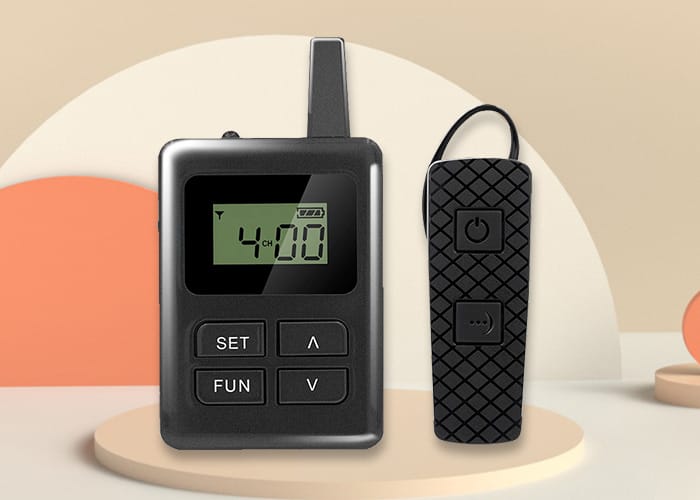
Hardware functions as the structure of the system. Traditional setups used transmitters, receivers, and headsets, however contemporary systems prioritize transportability and versatility. Smart portable terminals or mobile applications currently replace older gadgets, outfitted with built-in sensors and communication modules. These enable not only sound playback but likewise the display of pictures, video clips, and 3D models– supplying a multisensory experience.
Long life and battery life are additionally critical, provided high daily usage. Wireless charging and low-power layout extend operational time and lessen upkeep. Some systems also include wearable tools such as wise glasses or wristbands to enhance comfort and interaction.
Content Management Platform
The content management platform is the “brain” of the system, in charge of storing, arranging, and updating interpretation materials. An efficient system features an user-friendly user interface and durable editing devices, allowing staff to easily post and change multimedia content. It ought to likewise sustain multilingual versions to suit worldwide site visitors.
Beyond standard monitoring, contemporary systems include intelligent recommendation and flexible shipment functions. By evaluating site visitor habits and dwell time, they can dynamically push pertinent material– enhancing both engagement and fulfillment.
Interactive Interface Design
The layout of user interfaces straight affects convenience of use and site visitor experience. Excellent interfaces are instinctive and simple, employing aesthetic icons and voice prompts to streamline navigation. They must also suit varied age and social backgrounds.
Just as important is responsive responses– such as vibration or audio cues confirming customer activities– to produce a much more immersive and satisfying experience.
Speech Recognition and Natural Language Processing (NLP)
Speech acknowledgment and NLP are core technologies that allow hands-free, conversational interaction. Visitors can ask questions like “When was this artifact made?” and get instant actions. The system can even analyze contextual meaning, making communications more all-natural and intelligent. Real-time translation using NLP likewise allows international site visitors to take pleasure in barrier-free access to museum info.
Backend Management and Data Analytics
The backend functions as the system’s functional center, dealing with tools surveillance, access control, and updates. Data analytics, on the other hand, changes site visitor behavior into actionable understandings. Museums can track exhibit popularity, site visitor flow, and communication patterns– informing format enhancements and future curation strategies.
A data-driven method enhances performance, maximizes site visitor experience, and supports evidence-based decision-making.
Design and Development Principles
Effective museum interpretation systems should stick to essential principles of functionality, integrity, and scalability– covering both technological and content-related measurements.
User Experience First
User experience must guide every style decision. The user interface should be user-friendly, requiring minimal configuration. Multiple communication options (touch, voice, gestures) fit different individuals. Emotional design– such as narration and circumstance simulation– can stimulate inquisitiveness and grow understanding.
Content Diversity and Interactivity
Material should exceed fundamental narrative, integrating multimedia layouts like text, video, animation, and 3D visualization. Interactive features such as tests and games better urge interaction– changing visitors from passive audiences into energetic students.
System Stability and Security
High stability is necessary for atmospheres with hefty site visitor web traffic. Systems have to undertake strenuous screening and consist of back-up and healing systems. Data personal privacy and material accuracy have to additionally be secured via file encryption and accessibility control.
Scalability and Compatibility
A modular architecture makes certain very easy updates and assimilation with arising innovations (e.g., 5G, AR). Compatibility throughout gadgets and operating systems (iOS, Android) makes certain broad ease of access.
Localization and Personalization
Localization dressmakers systems to social and etymological contexts, while customization assesses site visitor data to recommend appropriate displays or experiences– improving both contentment and instructional effect.
Implementation Strategy and Workflow
Successful implementation needs a structured method, from preliminary research to continuous optimization.
Needs Assessment & System Design: Identify requirements with stakeholder meetings and usefulness evaluation.
Content Preparation & Multimedia Production: Make sure academic precision and interesting discussion.
System Integration & Testing: Conduct practical, performance, and user experience tests.
Training & Operations: Furnish personnel with system knowledge and troubleshooting skills.
Maintenance & Continuous Optimization: Use data-driven insights for continuous renovations.
Case Studies
Domestic Example: The Palace Museum (Beijing)
The Palace Museum’s system includes AR technology, recreating historic events such as those in the Hall of Supreme Harmony– supplying site visitors an immersive experience that revitalizes cultural heritage.
International Example: The British Museum
Its system emphasizes customization and interactivity, analyzing site visitor passions to supply customized routes and multilingual real-time translation, establishing a worldwide benchmark.
Challenges and Solutions
Key challenges consist of rapid technological development and web content management. Modular style and cloud-based systems attend to the first problem by permitting very easy upgrades. Collaborative material development including scholars and the public makes certain diversity and timeliness.
Future Development Directions
Deep Integration of Artificial Intelligence
AI enables emotion-aware narrative, flexible understanding, and automated content generation, improving both customization and efficiency.
Virtual & Augmented Reality Integration
VR uses totally immersive historical reconstructions, while AR enhances real-world displays with digital overlays, merging physical and online experiences.
Multilingual & Accessibility Enhancements
Real-time multilingual synthesis and availability features (e.g., audio summaries, sign language) make sure inclusivity for all site visitors.
Data-Driven Optimization
Big information analytics determine site visitor patterns, making it possible for anticipating understandings and critical curation choices.
Sustainability & Smart Maintenance
Energy-efficient hardware, modular upgrades, and IoT-based anticipating upkeep add to long-lasting sustainability and minimized expenses.
Conclusion
The development of museum team interpretation devices mirrors the deep assimilation of society and modern technology. Through smart, interactive, and personalized style, these systems raise site visitor experiences while strengthening museums’ instructional and societal influence. As technologies such as AI and VR development, the future of museum interpretation promises also richer, much more immersive social involvement worldwide.
For the team presentation system, I advise Yingmi. Meanwhile, Yingmi will certainly remain to introduce in innovation to give a better experience for the target market. We will certainly likewise make our abroad services extra detailed, enabling more overseas museums to make good use of our system. Yingmi Customer Service Hotline: 400-990-7677 Official website: www.it2002.com, always all set to supply you with unique tour strategies.
FAQ
1.How do tour guides enhance visitor engagement?
Tour guides use storytelling, Q&A sessions, and personal interaction to make exhibits come alive and encourage visitor participation.
2.What are the limitations of traditional Audio Guides?
Traditional Audio Guides often lack interactivity, flexibility, and real-time updates, which can limit visitor engagement.
3.How are modern Audio Guides different from older versions?
Modern Audio Guides incorporate AI, VR, and personalized content, offering a more dynamic and immersive experience compared to linear older versions.
4.Can museums use both tour guides and Audio Guides?
Yes, many museums combine both to cater to different visitor preferences, providing flexibility and enriched experiences.
5.What should museums consider when choosing between tour guides and Audio Guides?
Museums should consider factors like visitor demographics, budget, content flexibility, and the desired level of interaction when deciding between tour guides and Audio Guides.